


Pyrethrin vs Pyrethroid : Comparing Pesticide Performance Through Accurate Lab Tests

Why are chrysanthemums a source of insecticides? Compare natural pyrethrins vs. synthetic pyrethroids and the importance of lab testing for sustainable agriculture!

Why are chrysanthemums a source of insecticides? Compare natural pyrethrins vs. synthetic pyrethroids and the importance of lab testing for sustainable agriculture!

Did you know that AMF fungi increase azadirachtin in neem trees? Learn about arbuscular mycorrhizal fungal symbiosis and its role in botanical biopesticides!

Biomimetic vs. synthetic pesticides: which is best? Learn about the disadvantages of biomimetic (photolabile) and synthetic pesticides here!

Your pesticide product must pass a marketing authorization! Learn about synthetic advances (pyrethroids) and why pesticide testing is crucial for product stability!

Why are biomimetic pesticides safer? Learn how Pyrethrin and Azadirachtin work specifically on pests and their benefits for agriculture!

Natural pesticides have been around since ancient Egypt? Check out their history, the impact of Silent Spring, and how nanotechnology is powering today's biopesticides!

Want to know how to monitor pesticide pollution naturally? Understand the role of bioindicators (fish, plants) as early warning systems for ecosystem disturbances!
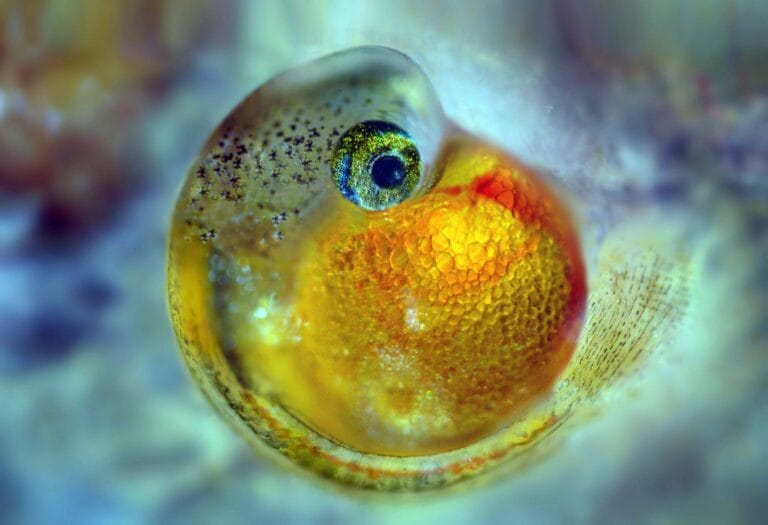
Detect pesticide hazards with Fish Embryonic Testing (FET)! Understand the OECD 236 acute toxicity testing method using zebrafish embryos, which is ethical and efficient.

Pesticides for millipedes require lab testing! Learn about safe active ingredients and the importance of pesticide efficacy and toxicity testing in this article!
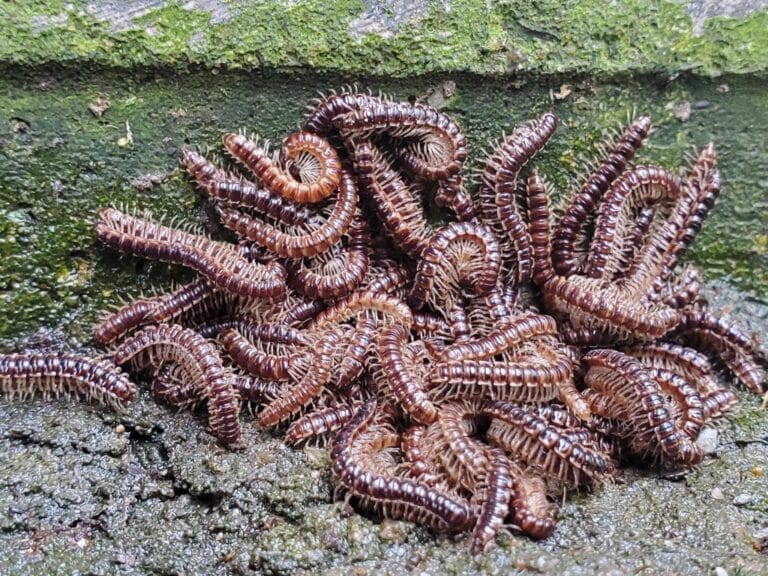
Control millipedes! Learn about the damage they cause, the active ingredient pyrethroid, and two pesticide efficacy testing methods (direct and residual).

What is the Chicken Embryo Test (CET)? Understand pesticide toxicity testing methods (injection and immersion) that assess exposure risks to developing embryos.

Has your pesticide distribution permit been delayed? Choose a pesticide testing laboratory recognized by the Ministry of Agriculture. Check out our 3 recommendations for the best labs!

Let's Learn More About the Pesticide Eye Irritation Test Using the Isolated Chicken Eye (ICE) Method!
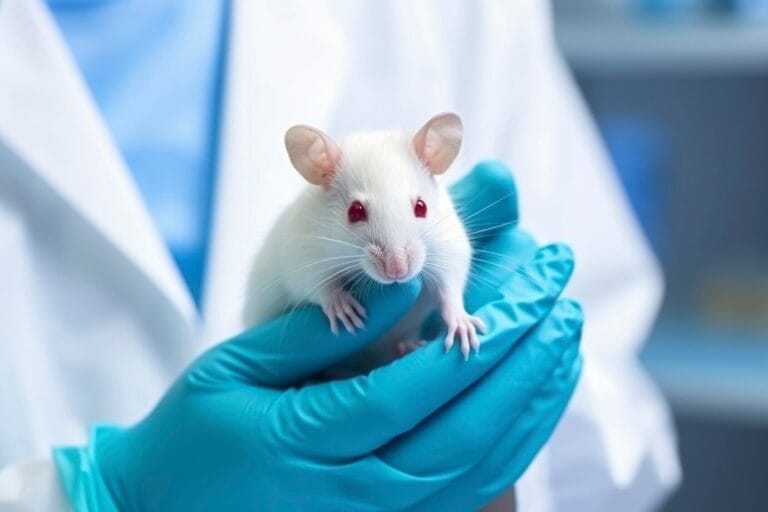
Innovation in in vivo pesticide toxicity testing! Learn about reducing the use of vertebrate animals, alternative methods like the FET test, and the micronucleus test for product safety.

Pesticides have become an essential part of modern agricultural systems due to their ability to control pests and plant diseases, thereby increasing crop yields and improving product quality. However, alongside their benefits, pesticide use also raises concerns regarding their negative…

Pesticide toxicity testing without animals? In silico is the solution! Cheaper, faster, without animals. Read more here!

Insecticide resistance? Fast & accurate detection with qPCR! Check out how, advantages, disadvantages of qPCR lab tests here!

Beware of herbicide side effects! Non-target organisms can be contaminated. So how dangerous are herbicides for non-target organisms? Find the answer here!

Effective Methods for Controlling Fly Pest Fly Bait Formulation The Impotance of Fly Bait Efficay Testing Flies are insects that are often considered pests because of their role in spreading various diseases. Although they have ecological functions such as helping…

Rodenticides are pesticides specifically designed to kill rodents, such as rats, which are considered pests. Rodenticides are highly toxic, even to non-target organisms. Based on literature published between 1998 and 2015, many non-target animals were found to have accumulated rodenticide…